


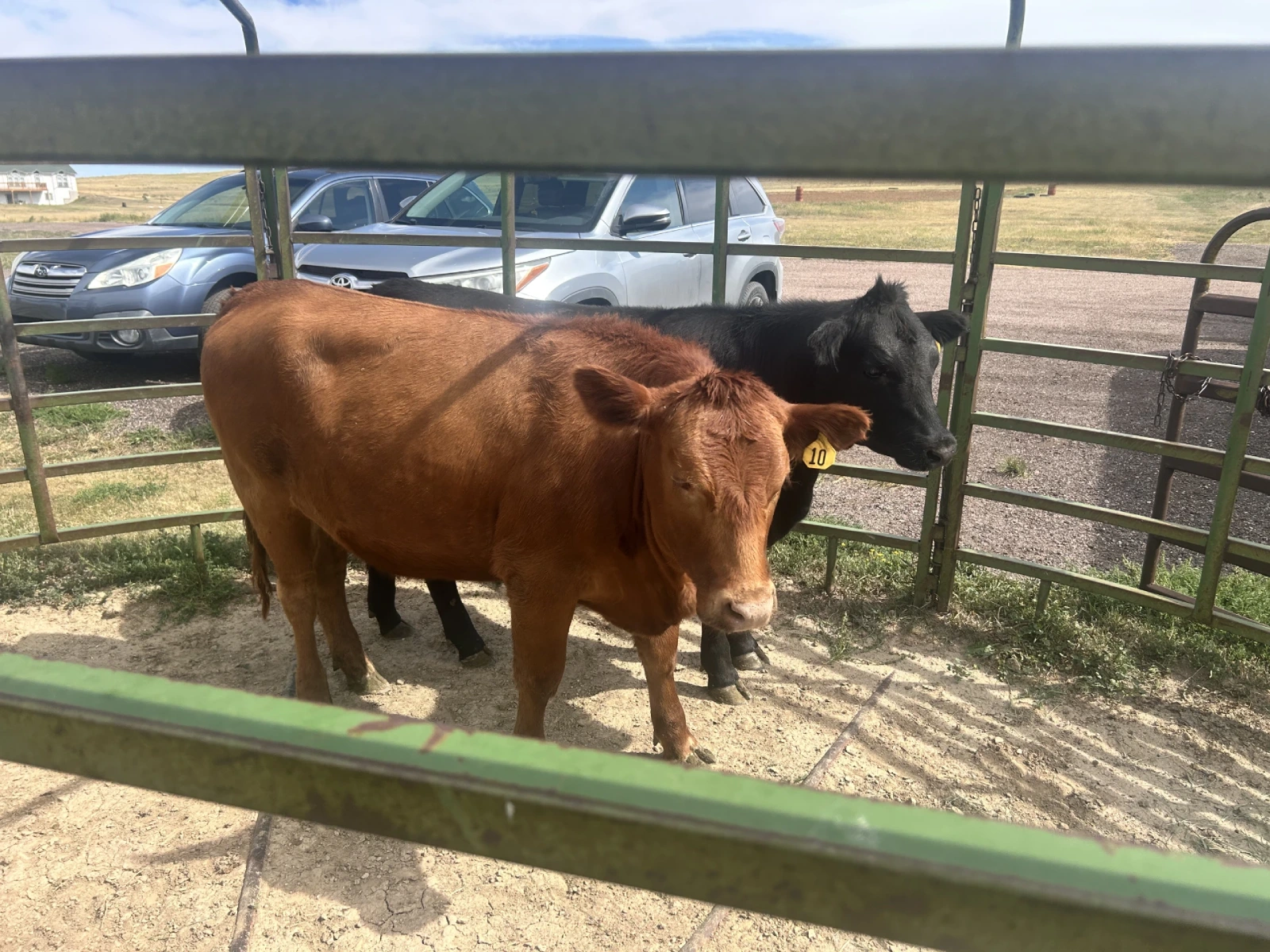
When people hear “grain finished,” they sometimes assume it simply means feeding cattle more before processing.
For us, there’s a lot more to it than that.
At Triple JC Ranch, our cattle are grain finished for approximately 90 days because the finishing period plays an important role in the quality of the beef that eventually reaches your table.
It affects marbling. It affects flavor. It affects consistency. And just as importantly, it gives the animal time to reach the finished condition we’re looking for instead of rushing the process.
What Does “Grain Finished” Actually Mean?
Cattle spend the majority of their lives growing and developing before they ever reach the finishing stage.
The final grain-finishing period is exactly that — the final stage.
During approximately the last 90 days, our cattle receive a grain-based finishing ration designed to provide the nutrition and energy needed as they develop toward processing.
The goal isn’t simply to put more pounds on an animal.
It’s to produce a properly finished animal that can deliver the kind of beef we want representing Triple JC Ranch.
Why 90 Days?
There isn’t a magic number that makes every animal ready on exactly the same day.
Cattle are individuals.
But approximately 90 days gives us a meaningful finishing window to evaluate the animal, allow body condition to develop, and support the characteristics we want in the finished beef.
We’re looking at the cattle throughout that process — not simply marking a date on the calendar.
The animal needs to be ready.
That approach matters to us.
Marbling Matters
One of the biggest reasons for a finishing period is marbling.
Marbling is the intramuscular fat you see running through a steak. It contributes to the eating experience by influencing things like:
- Flavor
- Juiciness
- Tenderness
- Overall richness
You can’t take an unfinished animal, put it on grain for a few days, and expect the same result.
Developing a finished animal takes time.
That’s why we give our cattle a dedicated finishing period rather than treating the final stage as an afterthought.
Consistency Matters Too
If you’re buying beef directly from a ranch, especially in larger quantities, you want some idea of what you’re going to get.
That doesn’t mean every steer or every steak will be identical. They won’t.
But a consistent approach to cattle selection, care, nutrition, finishing, and processing helps us work toward a more consistent final product.
For Triple JC Ranch, the grain finish is one part of that bigger process.
It starts much earlier with the cattle themselves.
Good Beef Doesn’t Start in the Final 90 Days
We talk about our 90-day grain finish because it’s important, but it isn’t the whole story.
You can’t make up for poor genetics or poor animal management in the last few months.
We start with Angus-Simmental cattle and make breeding and selection decisions with traits like health, growth, performance, structure, and beef characteristics in mind.
Then comes the daily work:
- Feeding.
- Watching cattle.
- Managing health.
- Evaluating condition.
- Making decisions about individual animals.
The finishing period builds on everything that came before it.
Good beef starts with good cattle.
Why Not Just Rush Them to Processing?
Because processing an animal before it’s properly finished can change the final product.
Our goal isn’t simply to move cattle through as quickly as possible.
We want to look at an animal and feel confident that it has reached the condition we’re looking for before it moves to the next step.
Sometimes that means paying attention to the cattle instead of the calendar.
That hands-on decision-making is one of the benefits of a ranch operation where the people selling the beef are also involved with the animals producing it.
What Happens After the Grain Finish?
Once an animal is ready, it moves into processing.
From there, our beef is typically allowed to hang for approximately two weeks before final cutting and packaging.
Then customers purchasing larger quantities can make selections about how they want their beef cut and packaged.
So the process looks something like:
Quality Cattle → Hands-On Care → 90-Day Grain Finish → Processing → Two-Week Hang → Custom Cuts → Your Freezer
No one step creates good beef on its own.
They all work together.
Why We Talk About the Process
Most people buying beef at the grocery store never have a reason to think about how an animal was finished.
When you buy directly from a ranch, you have the opportunity to know more.
We think that’s a good thing.
You should be able to ask:
- What kind of cattle do you raise?
- How are they finished?
- How long are they finished?
- What happens after processing?
And the ranch selling you the beef should be able to answer.
That transparency is a big part of what we’re building at Triple JC Ranch.
Know Your Ranch. Know Your Beef.
Our 90-day grain finish is not a marketing phrase.
It’s one part of a larger process built around the cattle, the way they’re managed, and the quality we want to deliver.
We aren’t interested in rushing cattle just to have more beef available.
We want to put the Triple JC Ranch name on beef we’re proud to feed our own family.
That’s the standard.
Interested in Upcoming Beef?
Triple JC Ranch offers Colorado-raised beef by the side, custom-cut options, and additional beef offerings as inventory becomes available.
Because availability follows cattle readiness and processing schedules, quantities change throughout the year.
Frequently Asked Questions
What does grain finished mean?
It refers to the final stage when cattle receive a grain-based ration before processing. At Triple JC Ranch, that period is approximately 90 days.
Why does grain finishing matter?
The finishing period helps develop body condition, marbling, flavor, and consistency in the finished beef.
Does every animal finish in exactly 90 days?
Not necessarily. Ninety days is our approximate finishing period, but cattle are evaluated individually and need to be ready before moving to processing.
What happens after the finishing period?
Once the animal is ready, it moves into processing. Triple JC beef is typically hung for approximately two weeks before final cutting and packaging.